


Overflight permits are an essential part of international aviation. They allow aircraft to fly over foreign territories without landing, ensuring smooth and legal transit across borders. However, the process of obtaining these permits can be complex and time-consuming. Whether you’re a seasoned pilot, operator, or part of an aviation team, understanding the common pitfalls when applying for overflight permits and how to avoid them is crucial to avoid unnecessary delays and fines.
In this article, we’ll provide Samajet compliance tips to ensure you successfully navigate the permit application process. From document errors to failure in understanding international regulations, here’s what you need to know to avoid common mistakes.
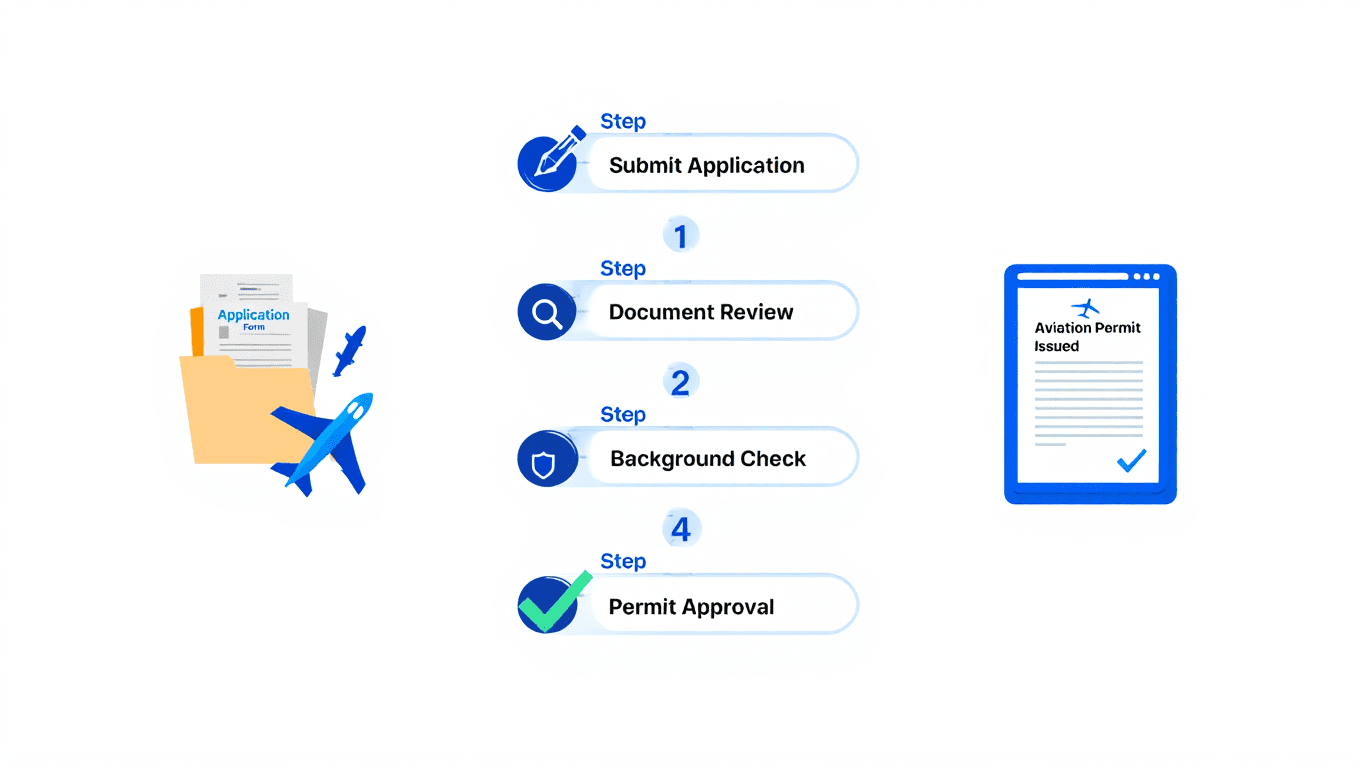
Understanding Overflight Permits and Their Importance
An overflight permit allows a foreign aircraft to fly over a country’s airspace without landing. These permits are issued by the country whose airspace the flight intends to cross. Without them, the flight may be forced to reroute, incur fines, or face delays.
Some reasons why overflight permits are important include:
- Legal Compliance: Without the proper permits, flights may be subject to fines or forced rerouting.
- Safety Regulations: Each country has specific air traffic management protocols that need to be followed for safe and efficient operations.
- Economic Impact: Unnecessary delays or penalties can increase operational costs, affecting profit margins for aviation companies.
Samajet compliance tips can help simplify the permit application process and avoid these challenges.
Common Pitfalls When Applying for Overflight Permits
When applying for overflight permits, there are several potential pitfalls to be aware of. Below are the most common mistakes and how to avoid them.
Missing Documentation
One of the most frequent reasons for permit delays or rejections is missing or incomplete documentation. This can range from a missing flight plan to a failure to submit required security information.
Samajet compliance tips: Always double-check that you have the required documentation, including:
- Detailed flight plan
- Insurance details
- Crew qualifications
- Security clearance forms (if applicable)
By being thorough and organized, you can reduce the chances of errors and avoid unnecessary delays.
- Ignoring International Regulations
Every country has its own regulations regarding overflight permits. Ignoring these regulations, or failing to fully understand them, can lead to rejections or fines.
Samajet compliance tips: Stay up-to-date with international aviation regulations, and ensure your application aligns with each country’s specific requirements.
- International Civil Aviation Organization (ICAO): Follow ICAO guidelines for overflight permits.
- Bilateral agreements: Some countries have bilateral agreements that might simplify the process.
External link suggestion: ICAO Website for updates on international aviation regulations.
3. Underestimating the Processing Time
Many operators underestimate the time required to process overflight permits. Delays in submitting applications or assuming expedited approval can lead to tight timelines, which may result in missed flights or schedule disruptions.
Samajet compliance tips: Apply for your overflight permits well in advance of your intended flight date. It’s advisable to apply at least 2-3 weeks prior to the planned flight to account for any potential delays or additional information requests.
H3: 4. Failing to Account for Geopolitical Issues
Geopolitical situations can impact overflight permissions. Countries in political or military conflict might impose restrictions on foreign air traffic over their territories.
Samajet compliance tips: Stay informed about current geopolitical situations, and be prepared for potential restrictions or sudden changes.
- Regularly check with relevant aviation authorities and utilize services that provide real-time airspace status.
Inaccurate Flight Plans
An overflight permit application is often rejected due to inaccuracies in the submitted flight plan, including the incorrect air route or flight times. Any inconsistency can lead to a refusal of the permit or require resubmission.
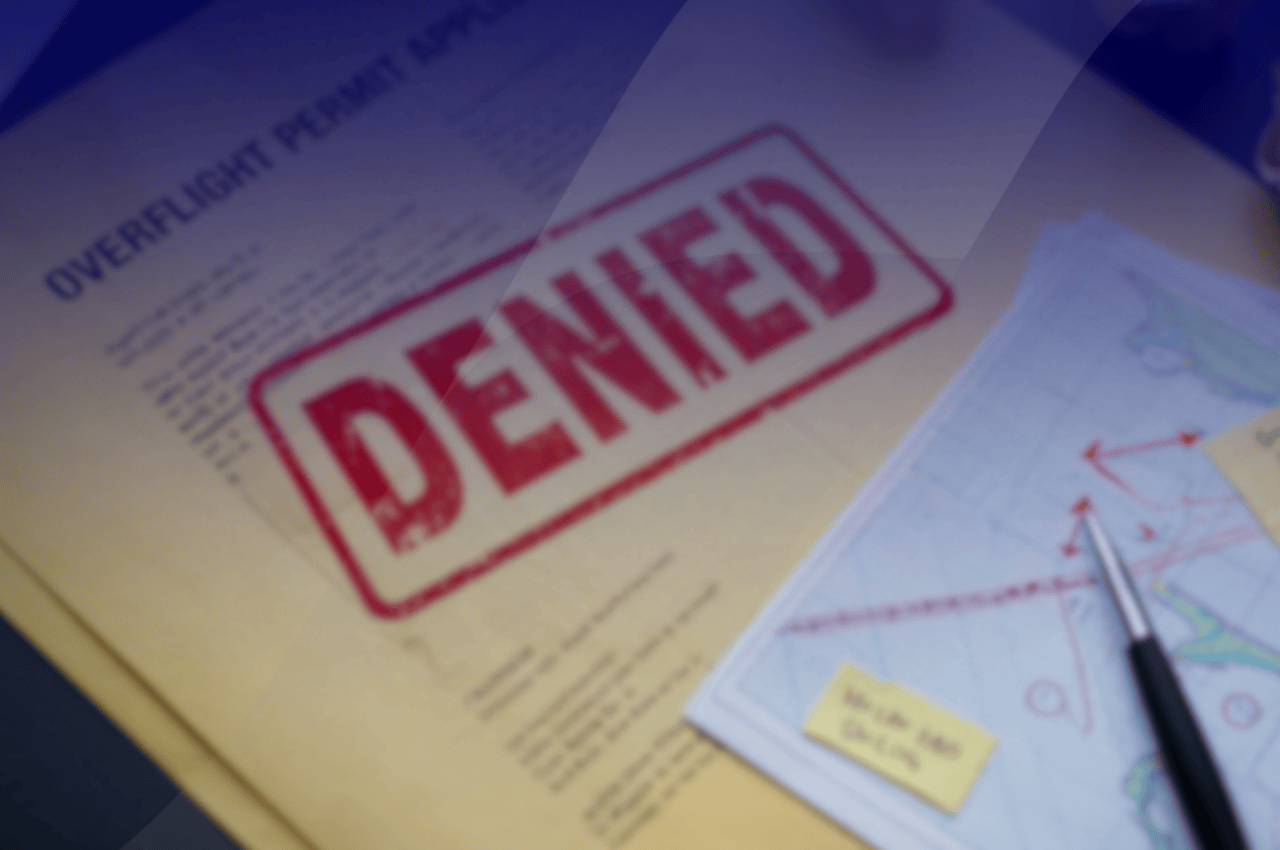
Samajet compliance tips: Ensure that your flight plan is accurate, including:
- Correct airways and routes
- Expected flight times
- Specific entry and exit points for airspace
Use up-to-date mapping systems and flight planning tools to avoid errors.
How Samajet Helps with Overflight Permit Compliance
At Samajet, we understand the complexities of obtaining overflight permits and the critical importance of compliance. Our team works closely with operators to ensure every permit application is completed accurately and submitted on time.
By leveraging Samajet compliance tips, you can streamline the process and ensure all necessary documents and requirements are met.
- Expert guidance through international regulations
- Document verification to avoid submission errors
- Proactive support for timely processing
Visit Samajet Contact Page for personalized assistance in obtaining your overflight permits.
Conclusion: Avoid Pitfalls with Samajet Compliance Tips
Applying for overflight permits can be a daunting process, but by understanding and avoiding the most common pitfalls, you can ensure your flights operate smoothly and within legal bounds. By following the Samajet compliance tips, you can save time, reduce the risk of delays, and avoid costly fines.
For more information on navigating the complexities of overflight permits or to get expert help with your application, don’t hesitate to contact Samajet at ops@samajetintl.com.