Navigating Around High-Risk Regions: Strategic Routing Techniques in Conflict Zone Routing
In today’s global aviation environment, navigating around high-risk regions is no longer optional—it is a strategic necessity. Political instability, military conflicts, and rapidly evolving security threats have significantly reshaped how airlines and operators plan their flight paths. Conflict zone routing has emerged as a critical discipline that blends risk intelligence, regulatory compliance, operational efficiency, and advanced technology. Airlines that master this approach, with the support of tools like Samajet’s advanced flight planning solutions, are better positioned to protect passengers, crews, assets, and brand reputation while maintaining operational continuity.
This article provides a comprehensive, professional guide to conflict zone routing, outlining strategic techniques, decision-making frameworks, regulatory considerations, and best practices for aviation operators navigating high-risk airspace.
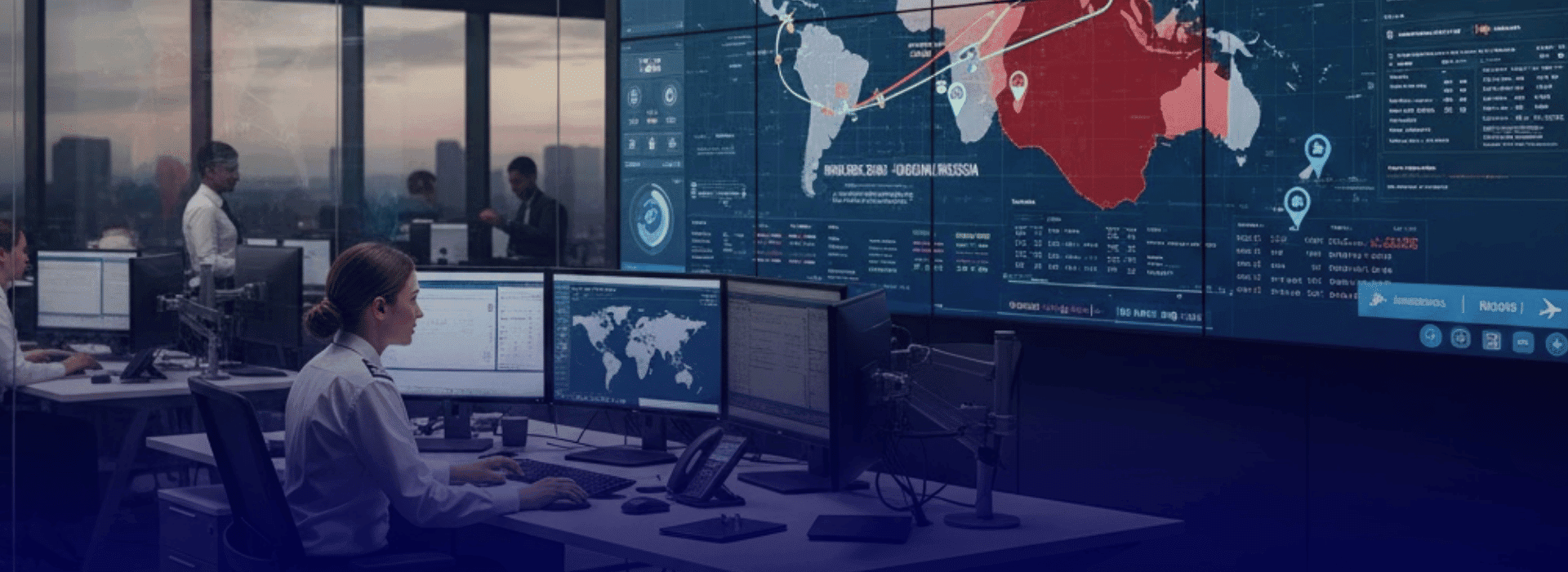
Understanding Conflict Zone Routing in Modern Aviation
Conflict zone routing refers to the strategic planning and continuous management of flight paths to avoid or mitigate risks associated with armed conflict, political instability, or elevated security threats. These risks may include:
- Active military operations
- Missile or anti-aircraft systems
- Airspace closures or restrictions
- Unpredictable escalation of hostilities
Unlike conventional route planning, conflict zone routing is dynamic, intelligence-driven, and highly responsive to real-time developments. The objective is not only avoidance—but informed, strategic navigation. Samajet supports operators with real-time data feeds and intelligent routing algorithms to stay ahead of emerging threats.
Why Conflict Zone Routing Is Critical for Airlines and Operators
Safety as a Non-Negotiable Priority
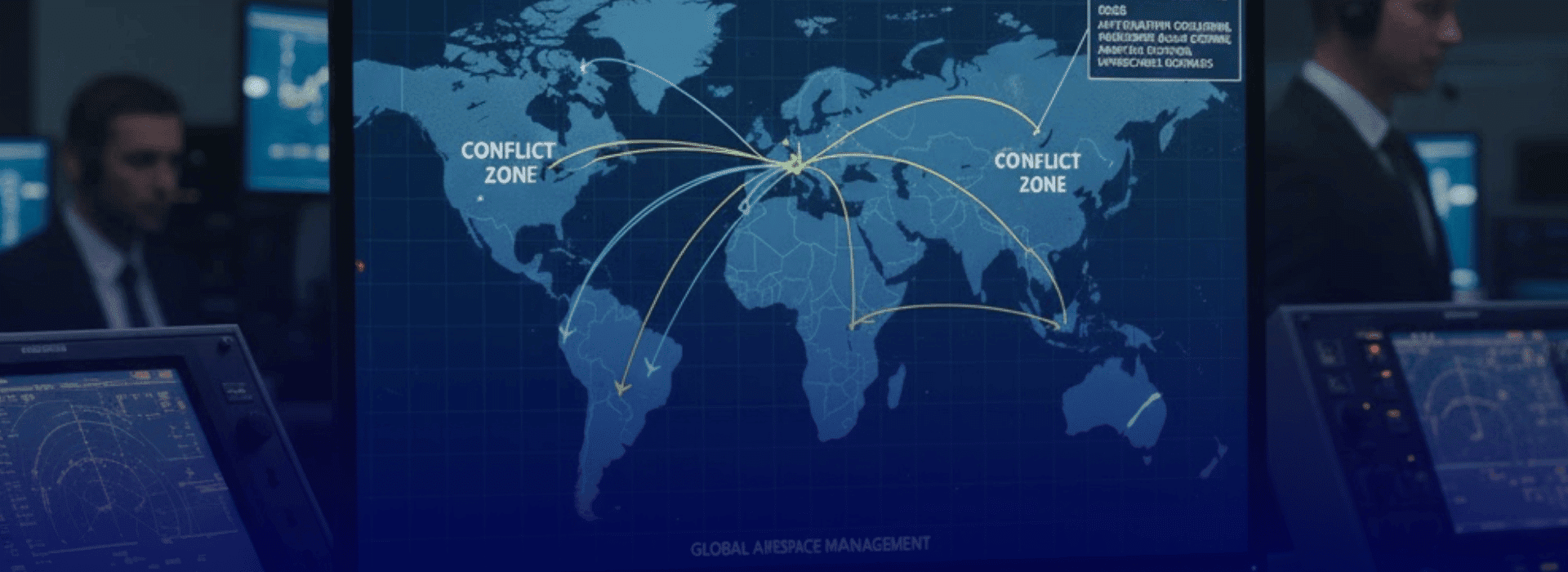
Passenger and crew safety remains the core driver behind all conflict zone routing decisions. Even indirect exposure to hostile environments can increase operational risk. Key safety considerations include:
- Risk of misidentification by military systems
- GPS jamming or spoofing
- Collateral damage from nearby hostilities
Regulatory and Legal Accountability
Aviation authorities increasingly expect operators to demonstrate due diligence in conflict zone routing. Failure to do so may result in:
- Regulatory penalties
- Insurance complications
- Legal liability in the event of incidents
Organizations such as ICAO, EASA, and FAA issue frequent advisories that must be actively monitored and implemented. Samajet’s integrated monitoring solutions ensure operators remain compliant with these evolving regulations.
Brand Reputation and Commercial Trust
In the digital era, reputational damage travels faster than aircraft. Passengers, partners, and insurers expect airlines to:
- Act conservatively in high-risk regions
- Communicate transparently
- Demonstrate proactive risk management
Effective conflict zone routing reinforces trust and corporate credibility, showcasing airlines as responsible and safety-conscious operators. Samajet’s route optimization tools help airlines maintain this trust by ensuring safe and compliant flight paths.
Key Strategic Techniques in Conflict Zone Routing
Intelligence-Led Route Assessment
Modern conflict zone routing begins with multi-source intelligence analysis, including:
- Government and military advisories
- NOTAMs and airspace restrictions
- Satellite and surveillance data
- Private risk intelligence providers
Relying on a single source is no longer sufficient. Operators must synthesize data to create a realistic, up-to-date threat picture. Samajet’s data integration systems aggregate multiple intelligence sources into one actionable platform.
Dynamic Risk Scoring Models
Advanced operators use risk scoring frameworks to evaluate airspace segments based on:
- Conflict proximity
- Weapon system capabilities
- Historical incidents
- Escalation likelihood
These models allow for:
- Objective routing decisions
- Consistent internal governance
- Defensible compliance documentation
Strategic Rerouting and Altitude Management
Conflict zone routing does not always require complete avoidance. Strategic options may include:
- Adjusting flight levels to remain outside threat envelopes
- Shifting lateral routes away from sensitive zones
- Implementing time-based routing restrictions
Every routing decision balances safety, fuel efficiency, and operational feasibility. Samajet enhances this process by providing tools for real-time rerouting based on dynamic risk assessment.
The Role of Technology in Conflict Zone Routing
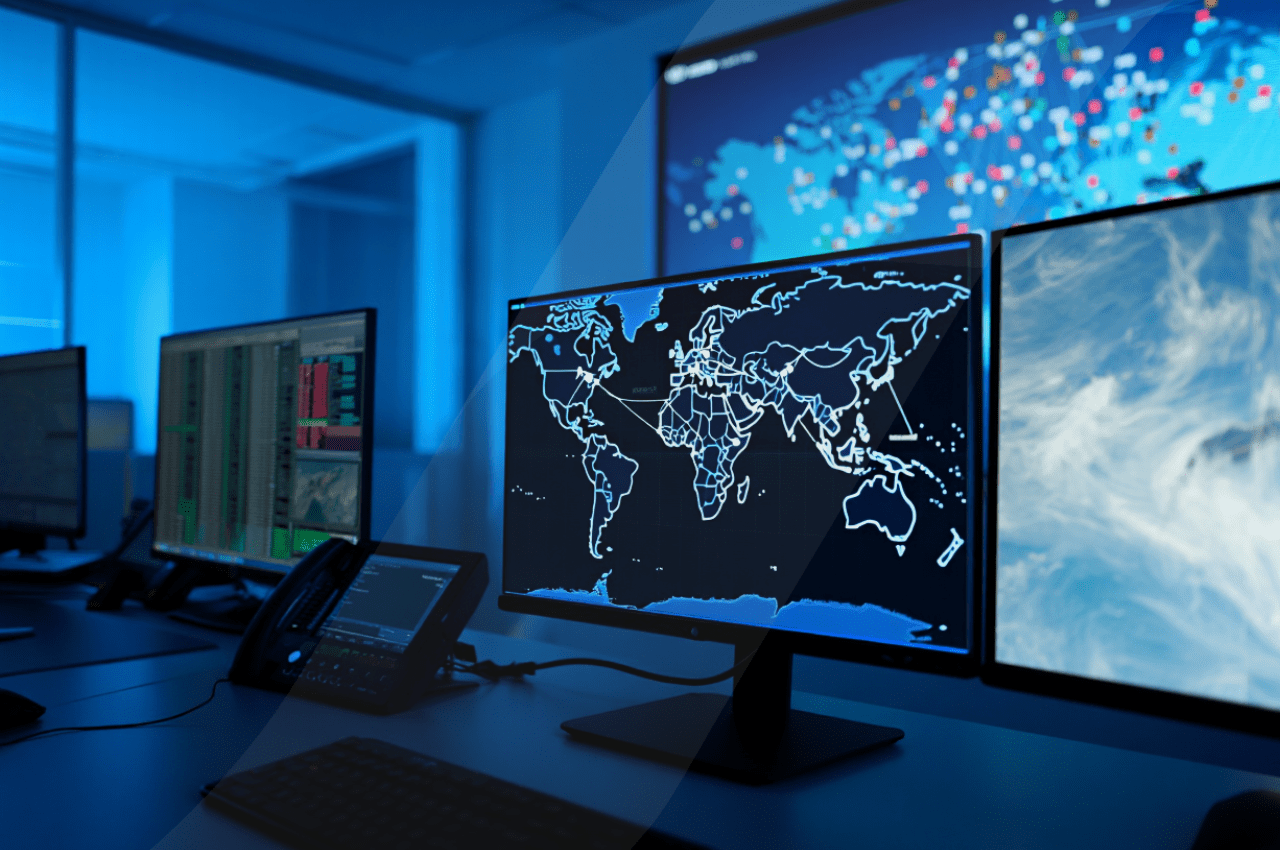
Real-Time Monitoring Systems
Technology enables continuous airspace monitoring, allowing operators to react instantly to emerging threats. Critical capabilities include:
- Real-time NOTAM alerts
- Geopolitical risk feeds
- Airspace closure notifications
These systems transform conflict zone routing from static planning into active risk management, providing real-time insights that protect against emerging threats. With Samajet’s advanced monitoring capabilities, operators can maintain real-time situational awareness.
Predictive Analytics and Scenario Planning
Leading aviation organizations now use predictive analytics to:
- Anticipate conflict escalation
- Model route disruption scenarios
- Assess cost and safety trade-offs
This approach enables decision-makers to act before disruption occurs, not after.
Compliance and Governance in Conflict Zone Routing
International Regulatory Frameworks
Conflict zone routing must align with guidance from:
- ICAO Conflict Zone Information Repository (CZIR)
- EASA Conflict Zone Bulletins
- FAA Special Federal Aviation Regulations (SFARs)
Operators are expected to maintain documented processes showing how advisories are reviewed and implemented. Samajet’s compliance tracking ensures that all regulatory requirements are met and documented for audits.
Internal Risk Committees and SOPs
Best practice includes:
- Dedicated airspace risk committees
- Clearly defined escalation thresholds
- Formal approval workflows for high-risk routes
Conflict zone routing is a governance issue, not just an operational one.
The Strategic Imperative of Conflict Zone Routing
In an era of geopolitical volatility, conflict zone routing is no longer a tactical adjustment—it is a strategic imperative. Airlines and operators that adopt intelligence-driven, compliant, and technology-enabled routing strategies are better equipped to:
- Protect lives and assets
- Maintain operational resilience
- Strengthen stakeholder trust
Strategic conflict zone routing defines the future of safe, responsible global aviation. For expert guidance on aviation risk management and strategic routing solutions, contact Samajet today.