Flying Near Conflict Zones: Safety Protocols & Risk Mitigation
Aviation in or near conflict zones is an inherently risky activity that demands thorough preparation and strong safety protocols. When planes operate close to these areas, the risks multiply, involving not only physical threats but also legal and operational challenges. Understanding conflict zone aviation risks is crucial for ensuring safety and efficient operation in such environments.
In this article, we’ll dive into the essential safety measures, risk mitigation strategies, and Samajet’s approach to managing aviation risks in conflict zones. Whether you’re an airline operator, a flight crew member, or a passenger, knowing the risk factors and how to mitigate them is critical for ensuring both safety and compliance.
What Are Conflict Zones in Aviation?
Conflict zones refer to regions where active military conflicts, civil wars, or other forms of violence are taking place. These areas pose significant threats to aviation due to the possibility of missile strikes, ground-based attacks, and other hostile activities. For airlines operating near these zones, the stakes are high, as it’s not only about avoiding physical dangers but also navigating complex political, legal, and operational challenges.
Key Risk Factors in Conflict Zone Aviation
Flying near or over conflict zones involves a number of inherent risks. These include:
- Hostile Airspace: Military forces may control certain airspaces, making it unsafe for civilian aircraft.
- Anti-Aircraft Weapons: Conflict zones often have a high density of anti-aircraft missiles that can target aircraft.
- Terrorism & Civil Unrest: The presence of terrorist groups and civil unrest heightens the risk of attacks on aviation assets.
- Inaccurate Air Traffic Control Information: Due to the instability, air traffic control services may be less reliable or non-existent in some conflict zones.
Given these dangers, flying through or near conflict zones requires strict adherence to safety measures and robust risk mitigation strategies.
Samajet’s Approach to Conflict Zone Aviation Risk
Samajet, a leading player in the aviation industry, takes a proactive approach to aviation safety, especially when it comes to flying near conflict zones. The company integrates the latest technologies and safety protocols to ensure that flights in high-risk areas are executed with maximum precaution.
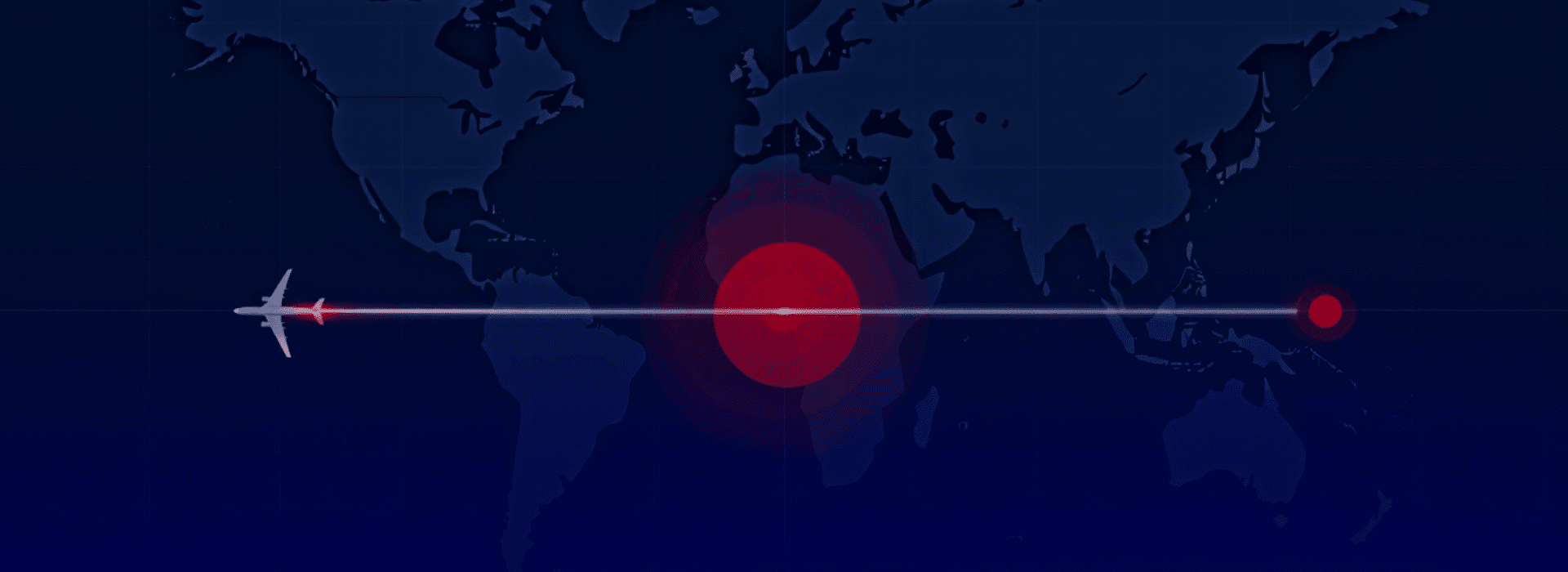
1. Pre-Flight Risk Assessment
Before entering a conflict zone, Samajet conducts a detailed risk assessment. This includes:
- Geopolitical Analysis: Understanding the political situation in the region.
- Military Activity Monitoring: Identifying any active or recent military conflicts in the area.
- Airspace Restrictions: Reviewing restrictions and regulations related to airspace closures or safety concerns in the conflict zone.
By gathering up-to-date intelligence and analyzing the local situation, Samajet ensures that the flight path avoids the most dangerous areas, enhancing overall safety.
2. Collaborative Communication with Authorities
Samajet maintains communication with local aviation authorities, international agencies like the ICAO (International Civil Aviation Organization), and the UN to receive guidance on safe flight routes. This collaboration helps identify any ongoing risks or temporary airspace closures.
3. Risk Mitigation Tools: Automated Alerts & Flight Path Adjustments
Using advanced technology, Samajet’s systems continuously monitor flight paths and provide real-time updates. If a plane is nearing a conflict zone, automated alerts are sent to flight crews to take immediate action. Additionally, flight paths can be adjusted dynamically to avoid high-risk areas.
4. Pilot Training for Conflict Zone Operations
Pilots operating in conflict zones undergo specialized training that includes:
- Handling Hostile Situations: Dealing with threats such as surface-to-air missiles.
- Evading Detection: Techniques for flying under radar to avoid detection.
- Emergency Procedures: Specialized drills for conflict zones, including evasive maneuvers.
5. Comprehensive Insurance Coverage
A critical component of Samajet’s approach is ensuring that all operations near conflict zones are fully insured. Insurance packages cover the added risks associated with flying in high-risk areas, ensuring financial protection for both the airline and passengers.
Best Practices for Risk Mitigation in Conflict Zone Aviation
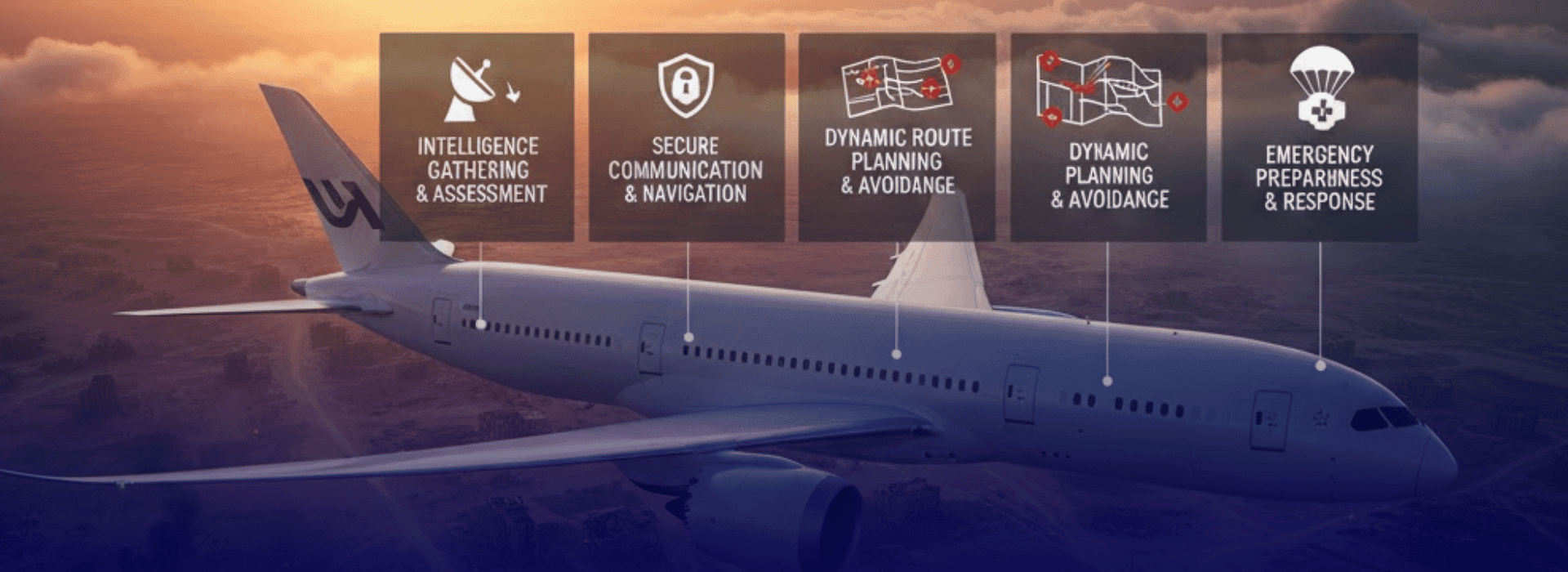
When operating in or near conflict zones, it’s essential for airlines and flight operators to follow these best practices:
1. Avoidance of High-Risk Airspace
Whenever possible, flights should avoid entering conflict zones. This is the most effective form of risk mitigation, ensuring that aircraft are not exposed to unnecessary threats.
2. Real-Time Intelligence Monitoring
Leveraging real-time intelligence feeds, flight operators should always be aware of any developing situations. Platforms like the European Union’s Aviation Safety Agency (EASA) or FlightRadar24 offer up-to-date warnings and airspace data that can be critical for avoiding danger.
3. Cooperation with Global Aviation Authorities
Collaboration with global authorities such as the FAA, ICAO, and IATA helps ensure that aviation operators have access to accurate and timely information about airspace safety. Following the guidance of these authorities can significantly reduce the risks of operating in conflict zones.
4. Maintaining Communication with Aircraft
Frequent communication with aircraft flying near conflict zones is crucial. In case of emerging threats, operators can provide instructions to pilots for safe navigation or evacuation routes.
5. Enhanced Aircraft Protection
Aircraft operating in conflict zones often require additional protection, such as anti-missile systems or reinforced fuselage designs. These technological advancements play a vital role in minimizing potential damage from attacks.
How to Prepare for Flights Near Conflict Zones
- Stay Informed: Always stay updated with the latest political and military developments in the area of operation.
- Flight Path Optimization: Work with your flight planning team to ensure the path avoids conflict zones as much as possible.
- Risk Management Training: Ensure all involved personnel are adequately trained on conflict zone operations.
- Use of Technology: Leverage satellite tracking systems, real-time threat detection systems, and other tools to mitigate risk.
By applying these protocols, aviation companies can reduce the risks of flying near conflict zones and ensure a safer journey for passengers.
Flying Safely Near Conflict Zones with Samajet
Flying near conflict zones is an undeniable challenge in aviation, but with the right protocols, technology, and training, the risks can be minimized. Samajet’s commitment to safety, risk assessment, and continuous monitoring provides airline operators with the tools and expertise necessary to operate safely in high-risk areas. By integrating advanced systems and collaborating with global authorities, Samajet ensures that their operations in conflict zones are as safe as possible.
For further inquiries about our risk mitigation services, contact us at info@samajetintl.com.